- 330-790-5007
- info@thepuppylodge.com
- Nationwide Delivery
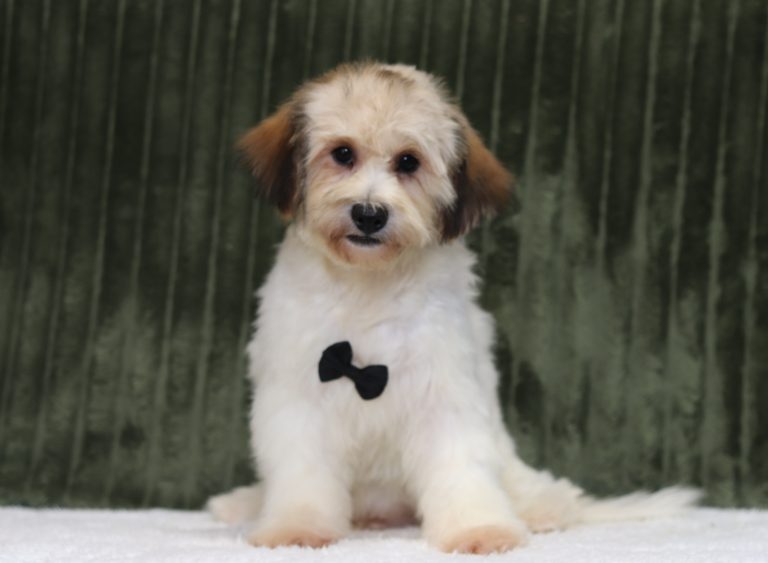
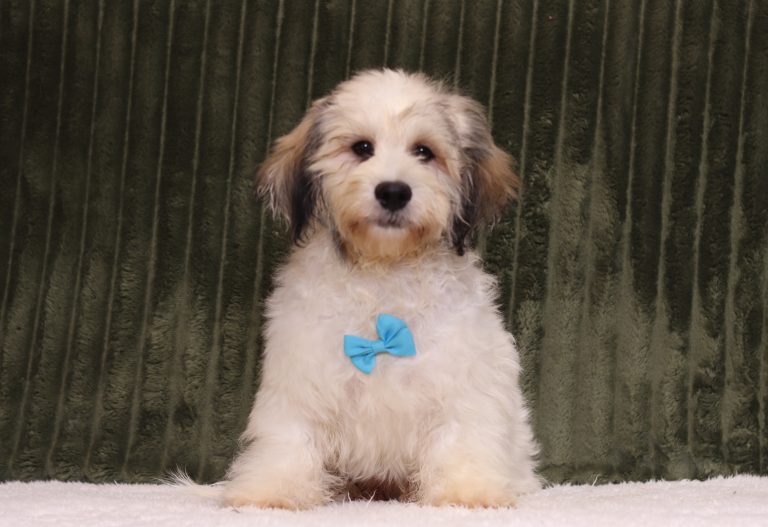
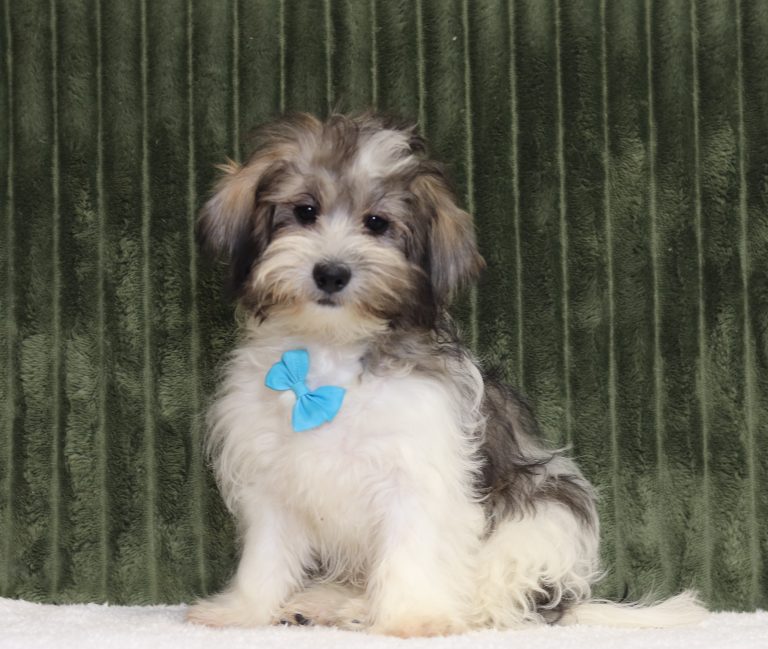
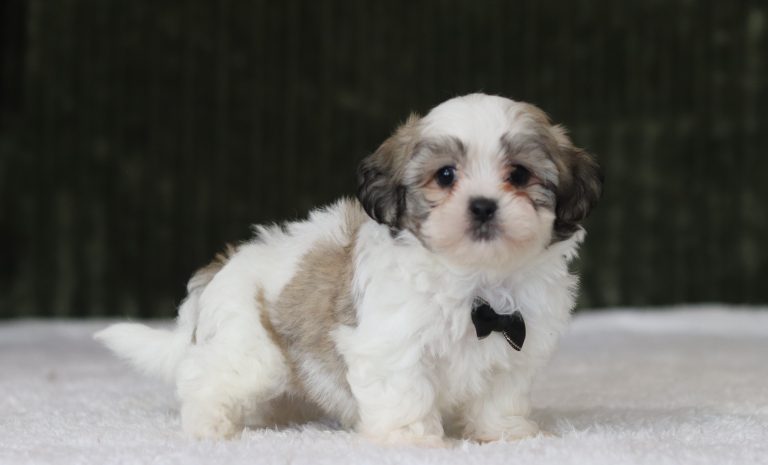
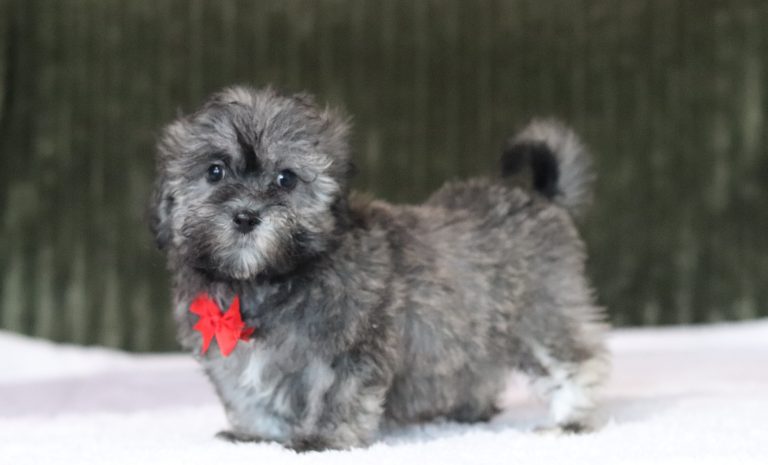
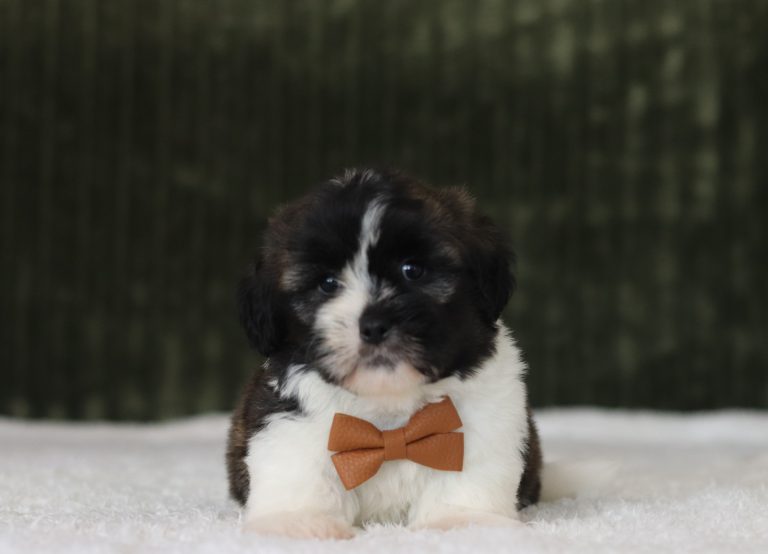
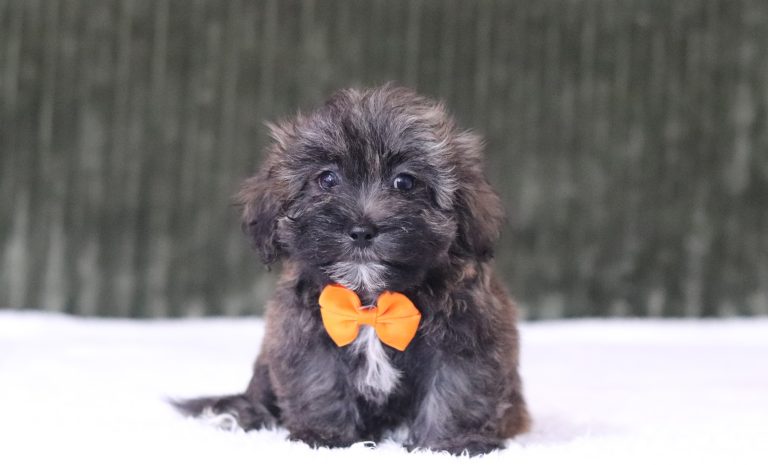
If you are looking for Teddy Bear pups for sale, you are looking at one of the most naturally gentle, affectionate companion breeds available today. The Teddy Bear, also known as the Shichon, Zuchon, or Tzu Frise, is a designer cross between the Shih Tzu and a Bichon Frise, producing a small, sturdy, hypoallergenic dog with a temperament almost impossible not to love. They are calm without being lazy, social without being needy, and adaptable enough to fit into almost any living situation from a studio apartment to a house full of kids. There is a reason this breed keeps showing up in therapy and emotional support roles. The disposition is built into them.
That said, the quality of a Teddy Bear puppy depends entirely on the breeder. This is a designer cross, not a purebred registry breed. The range in quality across breeders is wide. Some breeders are producing healthy, well-socialized puppies from tested parents. Others are pairing whatever Shih Tzu and Bichon they can find, skipping health testing, and hoping for the best. The difference shows up in temperament, health, coat quality, and how well the puppy adjusts to your home.
At The Puppy Lodge, we have been raising Teddy Bears for over 13 years. Every parent dog is genetically tested. Every puppy goes through Early Neurological Stimulation and is socialized by our family of nine. We also have a 3-year health guarantee and offer nationwide delivery. The page below covers exactly how we raise our Teddy Bear puppies, everything you need to know about the breed, and answers to the questions buyers ask most.
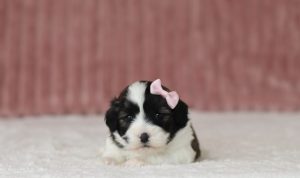
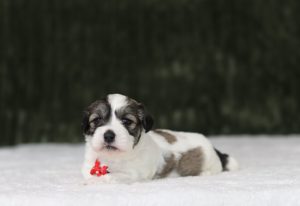
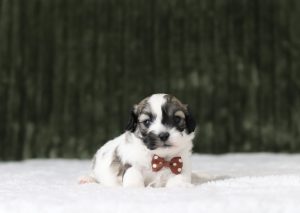
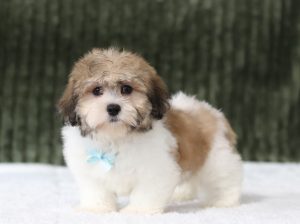
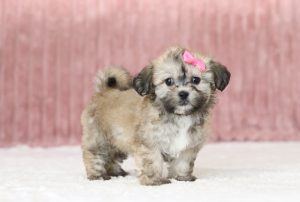
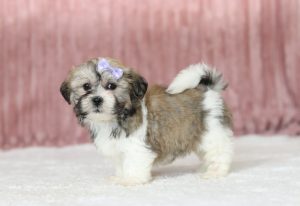
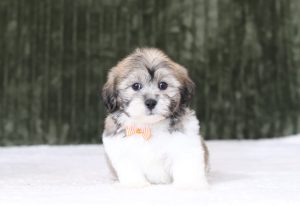
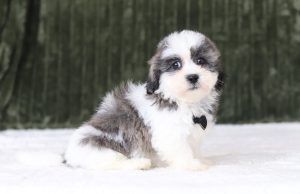
Teddy Bears are one of the most gentle, people-oriented breeds you can find, and that naturally sweet temperament is exactly why so many families, seniors, and first-time dog owners are drawn to them. But a gentle disposition still needs to be nurtured from day one. A Teddy Bear puppy that is not handled regularly in its first weeks of life can become timid, clingy, or anxious in new environments. The difference between a confident Teddy Bear that adapts easily to your home and one that hides behind the couch for two weeks comes down to what happened before that puppy ever left the breeder.
Our puppies are raised with our seven kids from the day they are born. Five girls and two boys in and out of the whelping area holding puppies, carrying them around, sitting on the floor with them. For a breed that bonds as deeply as the Teddy Bear does, that early exposure to children of different ages and energy levels is not a nice bonus. It is the single most important thing a breeder can do for this breed’s temperament. A Teddy Bear that has been held by kids, heard household noises, and experienced the full range of family life before leaving our farm transitions into your home with confidence rather than fear. That is why so many of our Teddy Bears go on to become therapy and emotional support dogs. The temperament we build in those first weeks lasts a lifetime.
Every puppy goes through our Early Neurological Stimulation protocol between days 3 and 16. ENS is a research-backed method originally developed by the U.S. military’s Bio Sensor program. It involves brief, gentle handling exercises performed once a day during a puppy’s critical neurological development window. The documented benefits include stronger cardiovascular performance, greater stress tolerance, and improved immune response. For a smaller breed that can sometimes be sensitive to new environments, ENS helps them adapt more quickly and settle into a new home with less stress. We looked at every competing Teddy Bear breeder ranking on the first two pages of Google. Not a single one mentions ENS anywhere on their website.
All of our Teddy Bear parents are genetically tested before they ever produce a litter. We know what we are producing in every pairing, and we stand behind every puppy with a 3-year health guarantee covering genetic and congenital conditions. Most Teddy Bear breeders offer one year or a 30-day pet insurance certificate that covers almost nothing. Three years reflect the confidence we have in our breeding program and the health of the dogs behind it. Our vet at Danville Veterinary Clinic visits our kennel on a scheduled basis every week. Every litter is examined multiple times throughout their time with us, growth is tracked, and anything unusual is caught early. That level of ongoing veterinary oversight is rare in this space.
Our puppies are raised in our climate-controlled kennel with heated tile floors in winter and geothermal cooling in summer. Our adults and puppies have large outdoor play areas on our 5-acre farm in Central Ohio, and they get daily exercise and fresh air. We have been doing this for over 13 years. We welcome visitors by appointment and deliver puppies nationwide. Every Teddy Bear puppy leaves our farm with vaccinations up to date, a full deworming schedule, a microchip already registered, and a blanket carrying mom’s scent to ease the transition home.
| Breed Type | Designer hybrid, Shih Tzu and Bichon Frise cross |
|---|---|
| Also known As | Shichon, Zuchon, Teddy Bear |
| Height | 9 to 12 inches |
| Weight | 8 to 15 lbs |
| Lifespan | 12 to 16 years |
| Coat Type | Wavy to curly, medium length, double coat |
| Shedding | Very low, hypoallergenic |
| Energy Level | Moderate |
| Exercise Needs | 20 to 30 minutes daily |
| Trainability | Good, responds well to positive reinforcement |
| Good With Kids | Yes |
| Good With Other Pets | Yes |
| Temperament | Affectionate, gentle, playful, social, loyal |
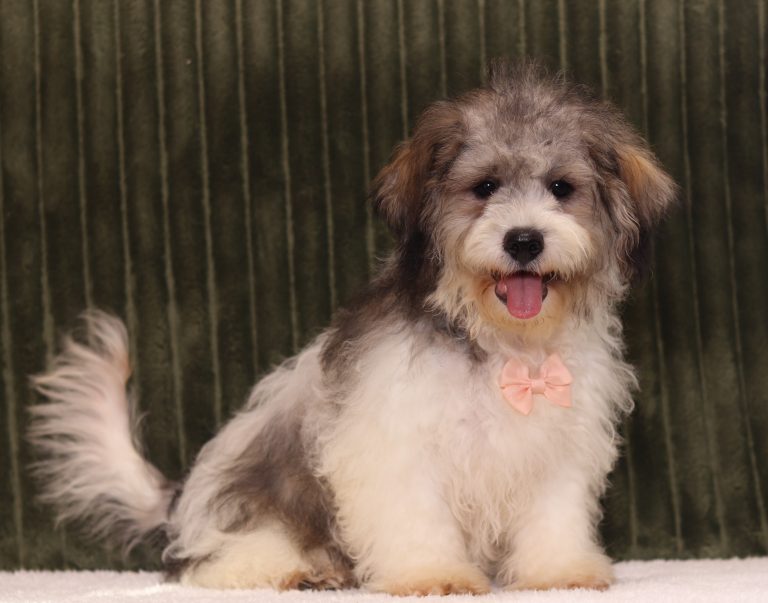
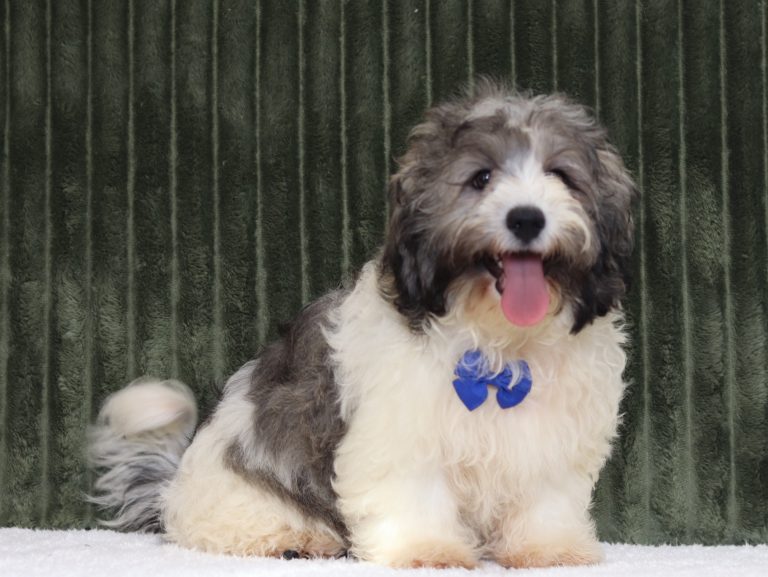
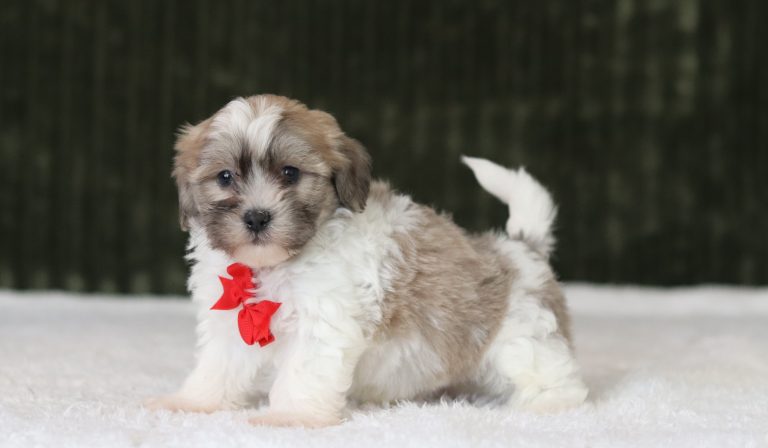
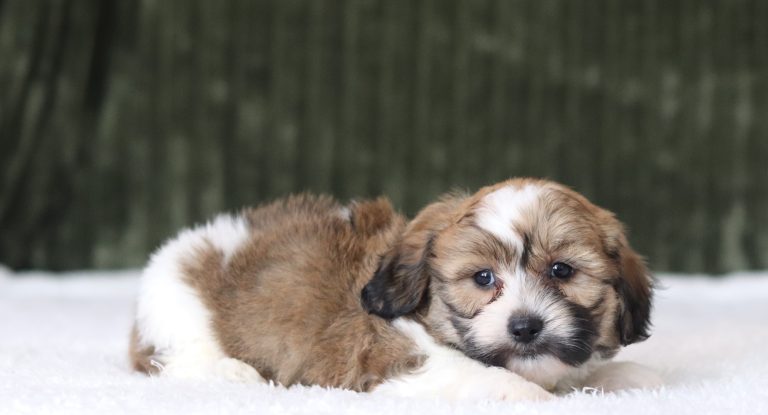
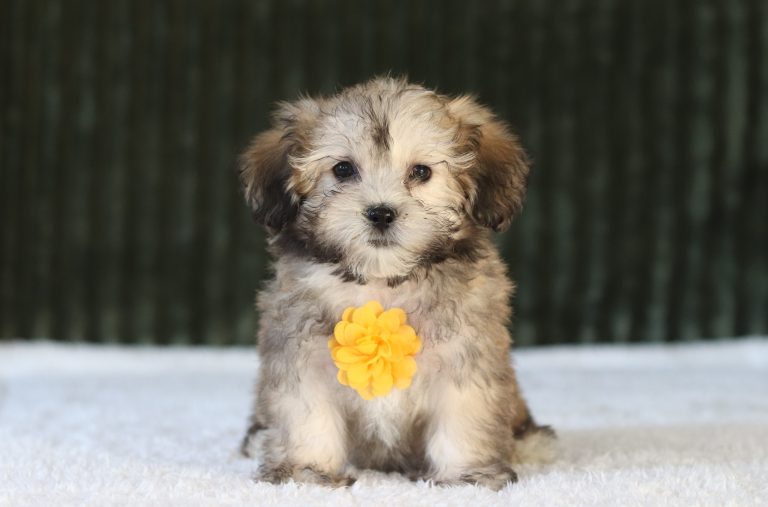
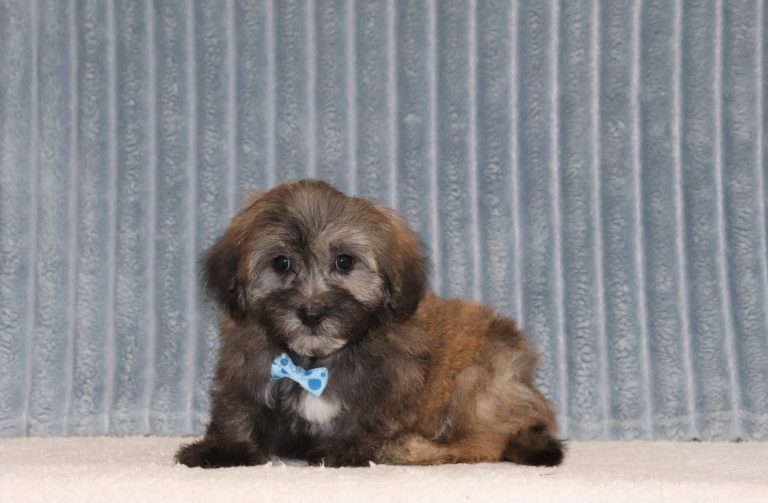
The Teddy Bear is a designer breed created by crossing the Shih Tzu with a Bichon Frise. You may also see this breed referred to as a Shichon, Zuchon, or Tzu Frise. The cross of this breed was developed in the United States around the year 2000 with the goal of combining the Shih Tzu’s compact size and loyal temperament with the Bichon Frise’s cheerful personality and hypoallergenic coat. The result is a small, sturdy dog with a soft, rounded face and a plush coat that genuinely looks like a stuffed animal, which is how the breed earned the name Teddy Bear. The Teddy Bear is not recognized by the AKC as a standalone breed, but it is recognized by the American Canine Hybrid Club, the Designer Dogs Kennel Club, and the International Designer Canine Registry. Despite being a relatively new cross, the Teddy Bear has become one of the most popular designer companion breeds in the country, and its reputation as a therapy and emotional support dog continues to grow.
Teddy Bears are small, sturdy dogs that typically stand 9 to 12 inches at their shoulder and weigh 8 to 15 pounds when they are fully grown. These dogs have a compact, well-proportioned frame that feels solid for the dog’s size. They are not fragile or delicate dogs, despite their small size. Their build tends to be slightly rounded with a broad chest, short legs relative to their body, and a tail that curls up and over the back. Most Teddy Bears reach their full height by around 9 months and fill out completely by 12 to 14 months. Because this is a designer cross, size can vary depending on the specific parents, but the range is relatively predictable compared to some other designer breeds.
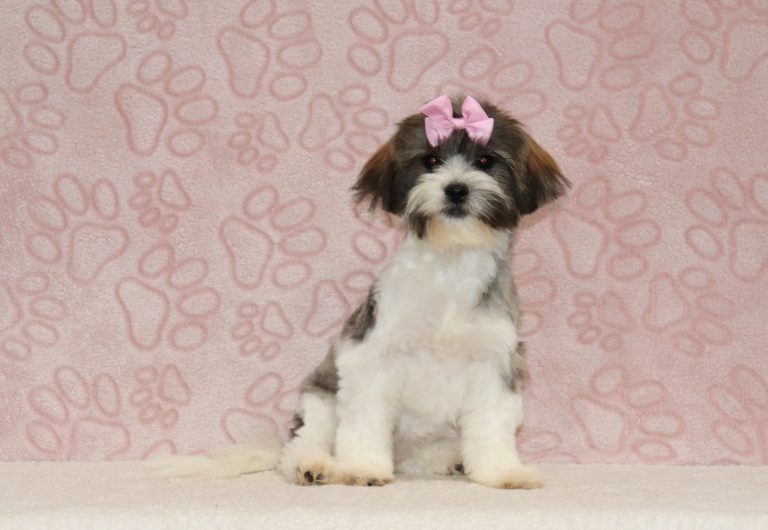
The Teddy Bear coat is one of the breed’s biggest draws. It is soft, fluffy, and either wavy or can be curly, depending on which parent the puppy takes after. Both the Shih Tzu breed and Bichon Frise are low-shedding breeds, and that trait carries through strongly in the Teddy Bear. The coat does not shed in the traditional sense, which means loose hair gets trapped in the coat rather than falling onto your furniture and floors. The tradeoff is that the pup’s coat grows continuously. Teddy Bears will require regular maintenance to stay healthy and be tangle-free. Brushing your dog several times a week is essential to prevent matting. This is especially true around the ears, chest, and behind the legs, where tangles form first. Getting your dog professionally groomed every six to eight weeks keeps their coat healthy. A good groom includes a bath, a haircut, nail trimming, plus ear cleaning. Many owners keep their Teddy Bear in a shorter puppy cut. This makes daily pupper care maintenance easier, reducing brushing time without sacrificing the breed’s signature look.
The Teddy Bear’s temperament is the heart of what makes this breed so popular. They are affectionate, gentle, and people-oriented. They bond closely with their families and want to be near you at all times, whether that means sitting in your lap, following you room to room, or curling up at your feet while you work. They are not high-energy or demanding dogs. They are content, steady, and happy as long as they are with their person. That makes them exceptionally well suited for seniors, single adults, couples, and families with children of all ages. This breed is social with other dogs and household pets and rarely shows aggression. The Shih Tzu side can bring a mild stubborn streak, which usually shows up during training as selective listening rather than defiance. The Bichon side brings a cheerful, eager-to-please attitude that generally balances it out. The overall personality is a dog that is easygoing, intuitive, and naturally calibrated to the emotional tone of the people around it, which is a big part of why this breed is used so frequently in therapy and emotional support roles.
Teddy Bears are intelligent and generally responsive to training, though they can show a stubborn streak from the Shih Tzu side. Positive reinforcement training is the only approach that works well with this breed. They are sensitive dogs that shut down quickly with harsh correction or raised voices. Short, upbeat training sessions with treats and praise get the best results. Housetraining can take a bit longer with small breeds in general, and Teddy Bears are no exception. Expect to take your puppy out every one to two hours during the day for the first few weeks and gradually extend that interval as the puppy matures. Crate training your pup is the most effective method for building a reliable bathroom routine. Consistency and patience matter more than intensity with this breed. A Teddy Bear that understands what you want will cooperate. One that feels pressured will shut down.
Teddy Bears have moderate energy levels and do not require much exercise compared to most breeds. About 20 to 30 minutes of daily puppy activity is sufficient to keep them happy. Daily activity also keeps the pup healthy. Taking your Teddy Bear on a short walk, also some indoor playtime, or a combination of both. This breed is not built for long hikes or intense physical activity. But they do enjoy exploring on a leash and playing with toys. Mental stimulation matters with this breed too. Providing them with puzzle toys, short training games, and interactive play helps keep their minds engaged. The Teddy Bear’s compact size and low exercise needs make them one of the best breeds for apartment living, condos, and smaller homes. As long as they are with their family, they adapt easily to different living situations and are happy.
The Teddy Bear breed benefits from hybrid vigor. This simply means that crossing these two distinct breeds can reduce the likelihood of certain inherited conditions. This is compared to purebred dogs. This doesn’t mean they can’t still inherit health traits from their parent breeds. The Shih Tzu breed has potential concerns, including patellar luxation. Also, dental crowding due to the shorter muzzle and other eye conditions such as cataracts or progressive retinal atrophy. On the Bichon side, allergies and bladder issues can occasionally occur. The shorter muzzle inherited from the Shih Tzu parent means Teddy Bears can be mildly brachycephalic, so it is worth being mindful of heat and heavy exertion, especially in warmer weather. When evaluating any Teddy Bear breeder, ask what specific genetic and health testing has been done on both the Shih Tzu and Bichon parents. Ask to see results. A breeder who is transparent about their testing protocol is one worth trusting.
Teddy Bears are a long-lived breed. By giving your dog proper care, nutrition, regular veterinary attention, and dental maintenance, your dog typically lives 12 to 16 years, with many reaching the upper end of that range. Both parent breeds are known for their longevity, and the Teddy Bear’s smaller size works in its favor. Responsible breeding that screens for genetic health conditions on both the Shih Tzu and Bichon sides gives every puppy the best possible start toward a long, healthy life.
We deliver Teddy Bear puppies to families across the country. Choose your state below to see puppies currently available near you and how delivery works where you live. Each state page also covers what it’s like to raise a Teddy Bear there and you can see some previously adopted puppies from your area!
We use our newsletter to let people know when we have new litters available.