
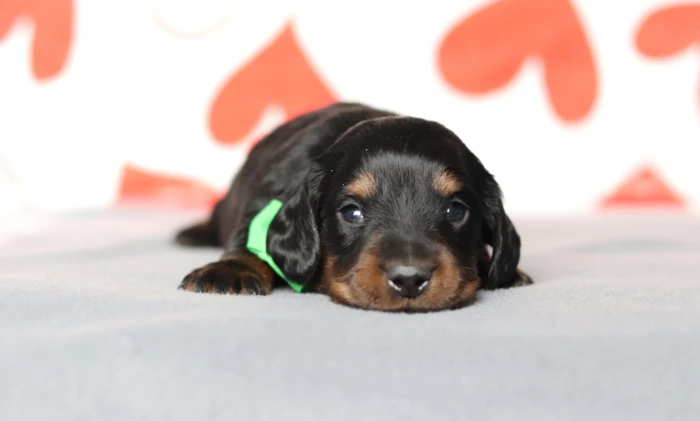
The Week-by-Week Guide That Sets You and Your New Best Friend Up for a Great Life Together
You have been thinking about this for a while. Maybe months. Maybe years. And now it is actually happening. A puppy is coming home with you, and everything is about to change for the better. The first thirty days with a new puppy are some of the most rewarding, memorable, and yes, occasionally tiring days you will experience as a dog owner. But here is the thing most people do not tell you: it is also a lot of fun. There is nothing quite like watching a puppy discover your home for the first time, figure out that the backyard is the greatest place on earth, or fall asleep in your lap after a big afternoon of being tiny and adorable.
At The Puppy Lodge, we have helped families across the country bring home Teddy Bears, Fluffy Frenchies, Golden Retrievers, Miniature Poodles, Miniature Dachshunds, Mini Doxiedoodles, and Pomskies. Every one of those breeds is different, and every puppy has its own personality. But the first month at home follows a similar rhythm, no matter which breed you choose. This guide walks you through what to expect and what to do, week by week, so you can spend less time worrying about your puppy and more time enjoying your new best friend.
Every Puppy Lodge puppy arrives with a head start. Our kennel is Purdue University Canine Care Certified, and every puppy goes through Early Neurological Stimulation from three to sixteen days old. They have been handled, loved on, and introduced to new experiences before they ever leave our facility. You are not starting from zero. You are picking up where we left off, and we are going to make sure you feel ready for it.
Before the Puppy Comes Home: Getting Ready for the Big Day
The families who enjoy the first week the most are always the ones who prepare ahead of time. A little planning now means you get to actually relax and soak in those first moments with your puppy instead of scrambling for supplies or rearranging furniture.
Start with the crate. Crate training is one of the best gifts you can give your puppy, and choosing the right size matters. For smaller breeds like Teddy Bears, Mini Doxiedoodles, and Miniature Dachshunds, a crate around 24 inches works well. Miniature Poodles and Pomskies do best with something in the 24 to 30 inch range. Fluffy Frenchies are similar. Golden Retrievers will need a larger crate in the 36 to 42 inch range, and using a divider panel while they are still small keeps the space cozy without letting them use one end as a bathroom. Place the crate in a room where the family hangs out during the day. At night, move it to your bedroom for the first couple of weeks. Your puppy will settle in much faster when they can hear you nearby.
Every Puppy Lodge puppy goes home with a small bag of the food they have been eating and a comfort blanket that carries familiar scents from our facility. These two things make a bigger difference than most people expect. Keep your puppy on the same food for the first month. If you want to switch brands later, do it gradually over seven to ten days so their stomach has time to adjust. Tuck that blanket into the crate on the first night. It is a small thing that provides a lot of comfort for a puppy in a brand new place.
Puppy-proof your home the way you would baby-proof it for a toddler. Electrical cords go behind furniture or into cord concealers. Shoes, socks, and anything chewable go up and out of reach. Check your houseplants against a list of plants that are toxic to dogs, because several popular varieties are dangerous. Set up baby gates to block off stairs and rooms you want to keep off limits for now. Think of it as giving your puppy a safe zone to explore rather than restricting them. You are setting up boundaries that protect them while they learn the layout of their new home.
Your pet supply list for a new puppy is simple. A crate, puppy food, stainless steel food and water bowls, a few safe chew toys, a brush appropriate for your breed, a collar and leash, a harness, enzymatic cleaner for accidents, and a soft towel or blanket for the crate. That is all you need to get started. Resist the urge to buy one of everything at the pet store on day one. Once your puppy is home, you will quickly learn what they actually like and what they ignore.
Week One: Settling In and Finding the Rhythm
The first night is an adjustment, and that is perfectly okay. Your puppy has just left their littermates and the only home they have ever known. It is completely normal for them to whine or fuss in the crate for the first night or two. This is not a sign that something is wrong, except they might have to go to the bathroom, but usually, it is just a puppy going through a very big change. Keep the crate close to your bed, talk to them in a calm voice when they fuss, and give them a chance to settle down. Most puppies figure out within the first few nights that the crate is their safe spot and you are right there with them. By the third or fourth night, you will likely wake up and realize they slept through without a peep.
During week one, your main focus is building a routine. Puppies love predictability, and the faster you establish a daily rhythm, the faster everything clicks into place. Feed your puppy at the same time each day. Take them to the same spot outside every time you take them out to go to the bathroom. The bathroom schedule is simple. Take them out to go potty first thing in the morning, right after every meal, after naps, after play sessions, and right before bed. For smaller breeds like Teddy Bears, Miniature Dachshunds, and Mini Doxiedoodles, expect to take them out every hour or two during the day. Golden Retrievers and Pomskies may hold it a bit longer, but frequent trips outside are still the fastest path to housebreaking success. When your puppy goes in the right spot, celebrate. Praise, treats, and a happy voice tell your puppy they just did something great.
If an accident happens inside, and one or two will, just clean it up with an enzymatic cleaner and move on. No stress, no frustration. An enzymatic cleaner is important because regular household cleaners do not fully remove the scent, and a lingering odor can tell a puppy that spot is an acceptable bathroom. A quick cleanup and a calm redirect outside is all you need. Accidents become less frequent fast, especially when the routine is consistent.
Keep the first week calm and low-key. Everyone will want to meet the new puppy, and there will be plenty of time for that. But for right now, let your puppy get comfortable with your home, your family, and the daily routine before introducing them to the rest of the world. Give them plenty of nap time in the crate between play sessions. Puppies this age sleep fourteen to eighteen hours a day, and a well-rested puppy is a happy, easy-going puppy. If your puppy starts getting mouthy or wild, they are probably telling you they need a nap. Pop them in the crate with a chew toy and let them recharge. You will be amazed at the difference it makes. Another important thing regarding their crate is never to use it as punishment; it should be a happy place where they always feel safe and comfortable.
Weeks Two and Three: Building Confidence and Good Habits
By the second week, your puppy knows the rhythm of the house. They know where the food bowl lives, where the back door is, and that the crate means rest time. You will start to see their personality coming out more and more, and each Puppy Lodge breed shows it in its own way. Golden Retrievers will bring you everything they can carry. Mini Poodles will watch you and figure out how door handles work. Pomskies will test every boundary just to see what happens. Teddy Bears will climb into your lap and refuse to leave. Fluffy Frenchies will make you laugh with all the silly things they do. Miniature Dachshunds will find a sunny spot on the floor and claim it as their kingdom. And Mini Doxiedoodles will do a little bit of all of the above.
This is the perfect time to start basic training, and every puppy is ready for it at this age. Start with sit, come, and name recognition. Keep sessions short and fun, and only train fortwo to three minutes at a time. Do this a few times a day, with small soft treats as rewards. End every session on a success, even if that success is just your puppy looking at you when you say their name. You are building a habit of engagement, and that habit is the foundation for everything you will ever teach them. Some breeds will pick things up training faster than others. Mini Poodles and Mini Doxiedoodles tend to learn commands quickly thanks to the Poodle intelligence. Golden Retrievers are enthusiastic to please and respond well to enthusiastic praise. Pomskies are smart but like to do things on their own timeline, so you’ll need some patience. Miniature Dachshunds have a self-dependent streak that can make training sometimes feel more like a negotiation. They respond beautifully to positive reinforcement and consistency.
Grooming introduction should start now too, especially for breeds that need regular professional grooming like Miniature Poodles, Mini Doxiedoodles, Teddy Bears, and Pomskies. Start with short brushings at home lasting for a minute or two with the right brush, followed by a treat and some praise. Get your puppy used to having their paws handled, their ears touched, and their face gently wiped. Fluffy Frenchies and Golden Retrievers benefit from this too, even though their grooming needs are different. Every Puppy Lodge puppy has already been introduced to basic handling before they come home, so you are reinforcing something familiar rather than starting something brand new. Schedule their first professional grooming visit toward the end of the third week or during week four. A good groomer will keep that first appointment short and fun to make sure the puppy has a good experience.
Socialization is one of the most valuable things you can do during this time. Your puppy’s brain is primed to absorb new experiences right now, and the more positive exposure they get to different sights, sounds, surfaces, and people, the more confident they will be as adults. Introduce them to different floor textures. Let them hear the vacuum from a distance. Take them on some short car rides. Let them meet a few calm, and friendly people. If your puppy has not completed their full vaccination series yet, skip the dog park for now, but there are plenty of other safe alternatives. You can take them to a pet-friendly store, let them watch the neighborhood from your front yard, or set up a playdate with a dog you know is healthy and vaccinated. The goal is not to overwhelm them, but to show them that the world is filled with interesting things and none of them are scary. Our puppies have a strong socialization foundation from our Early Neurological Stimulation program and playing with our kids, so they usually handle new stuff really well.
Schedule your puppy’s first veterinary visit at this time and bring along all the paperwork that came with your puppy, including vaccination records, microchip registration, and health documentation. Your vet will do a general wellness check and will discuss the remaining vaccination schedule, and parasite prevention. This vet visit is also a great opportunity to ask any questions that have come up during the first couple of weeks. Building a good relationship with a vet you trust early on gives you peace of mind for the road ahead.
Week Four: Watching It All Come Together
There is a moment somewhere around the four-week mark that makes every early morning bathroom trip and every chewed-up sock worth it. You will notice it one morning when your puppy walks to the back door on their own instead of having an accident. Or when they sit without being asked because they have learned that sitting gets them what they want. Or when they settle into their crate at bedtime without a sound. The pieces are coming together, and you can feel it.
By now, your puppy should be well into the housebreaking process. Some puppies are nearly there by week four. Others are still having the occasional slip, especially when they get excited. Both are completely normal. What matters is the direction. If accidents are getting less frequent every week, you are doing everything right. Your puppy is learning, and they are learning fast.
This is a great time to start expanding your puppy’s world a little more. Longer walks, new neighborhoods, more people, more sounds, more experiences. For energetic breeds like Golden Retrievers and Pomskies, this extra activity will help burn energy and keep them content at home. For calmer breeds like Teddy Bears and Fluffy Frenchies, even a short trip to a new environment is enriching. Mini Poodles and Mini Doxiedoodles are curious by nature and will soak up every new experience you offer them. Miniature Dachshunds will appreciate the adventure as long as you keep an eye on any terrain that could be tough on their longer bodies. If you have kids at home, keep supervising all interaction between them and the puppy. Both sides are still learning how to play together, and building good habits now sets up a lifelong friendship.
Training can expand too. By the end of week four, most puppies can reliably do sit and come, and many are starting to grasp stay, down, and leave it. If group puppy classes are available in your area, now is an excellent time to enroll. The combination of structured training and socialization with other puppies in a safe, supervised environment is hard to beat. It is also a lot of fun to watch a room full of puppies figure things out together.
On the grooming front, your puppy should have had their first professional appointment and be settling into the at-home brushing routine. For breeds with coats that will keep growing, like Mini Poodles, Mini Doxiedoodles, Teddy Bears, and Pomskies, staying consistent with brushing now prevents matting problems down the road as the adult coat starts coming in over the next few months. Golden Retrievers will start shedding more as they mature, so getting them comfortable with regular brushing early makes life easier for everyone. Fluffy Frenchies have shorter coats but still benefit from weekly brushing to keep their skin and coat healthy.
Breed-Specific Tips That Make the First Month Easier
Every breed has its own quirks, and knowing what to expect from yours helps you stay ahead instead of reacting to surprises.
Golden Retriever families should know that these puppies love to carry things in their mouths. It is a breed trait, not a behavior problem. Give them appropriate items to carry and they will be happy. They also tend to be mouthy during teething, so keep plenty of chew toys available and redirect them calmly when they start nibbling on fingers. Goldens are incredibly food motivated, which makes training a joy. They want to make you happy, and a treat just seals the deal.
Miniature Poodle owners will notice how quickly their puppy figures things out. These are some of the smartest dogs in the world, and they need mental stimulation as much as physical exercise. Puzzle toys, training sessions, and new challenges keep a Mini Poodle puppy engaged and out of trouble. Without that mental outlet, they will invent their own entertainment, and you might not love what they come up with.
Miniature Dachshund families should be prepared for a puppy with a big personality in a small body. Dachshunds are brave, curious, and wonderfully stubborn. Housebreaking can take a little more patience with this breed because they have a mind of their own about where and when they go. Stay consistent, stay positive, and it will click. Also, keep an eye on jumping. Dachshunds have long backs, and getting them used to ramps instead of jumping on and off furniture from an early age is one of the best things you can do for their long-term health.
Mini Doxiedoodle and Doxiepoo owners get the best of both the Dachshund and Poodle worlds, including the intelligence and the independence. Training will feel like teamwork rather than a command structure, and that is part of what makes this breed so entertaining. Watch for the same back-care precautions as with Miniature Dachshunds, since the longer body can carry over in this cross. The Doxiepoo is also a breed that bonds deeply and wants to be near you constantly, which is wonderful. Just make sure you practice some alone-time training early, so they build confidence being on their own for short stretches too.
Teddy Bear puppy families are in for a treat because these dogs are bred to be companions, and they are very good at it. They tend to be calm, affectionate, and easy-going from the start. Housebreaking can take a bit longer with smaller breeds simply because their smaller bladders mean they need more frequent trips outside. Teddy Bears are willing to please and respond well to a positive routine. Their coats need regular brushing and professional grooming, so getting them comfortable with that early is important.
Fluffy Frenchie owners should know that this breed can be a bit more laid-back about training than some of the others. They are smart, but they are also perfectly content to lounge and observe. Keep training sessions short and engaging, and use high-value treats to hold their attention. Frenchies can overheat more easily than other breeds, so be mindful during play sessions, especially in warm weather. Short play sessions with rest breaks keep them happy and safe. Their flat faces also mean you will want to use a harness instead of a collar for walks to avoid putting pressure on their airway.
Pomsky families should buckle up and enjoy the ride because Pomskies are energetic, intelligent, and full of personality. They need more physical activity than some of the smaller breeds on this list, and they have a playful, sometimes mischievous streak that keeps life interesting. Housebreaking usually goes smoothly with a consistent routine, and their intelligence makes them quick learners during training. They can be vocal, which is a trait from the Husky side, so getting ahead of excessive barking with redirection and mental enrichment early on will serve you well. Pomskies also have thick coats that blow out seasonally, so regular brushing from day one helps you stay ahead of the fur.
The Mindset That Makes Everything Easier
Here is the most important thing we can tell you about the first thirty days: your puppy is not trying to give you a hard time. They are having a hard time. Everything in their world just changed, they are in a new house, new people, new smells, new rules. The fact that they are adjusting as quickly as they do is actually pretty remarkable. When you frame the first month as your puppy doing their best to figure things out rather than your puppy doing things wrong, everything feels different. Patience stops feeling like a sacrifice and starts feeling like the natural response.
The families who have the smoothest transitions are the ones who go in with realistic expectations and a positive attitude. There will be a chewed shoe. There will be an accident on the rug. There will be a night when you are up at three in the morning wondering what you got yourself into. And then the next morning your puppy will curl up in your lap, look at you like you are the greatest person alive, and every bit of it will feel worth it. Because it is.
Progress is not always a straight line, because your puppy might nail housebreaking for three days in a row and then have an accident on day four. They might learn to sit in an afternoon and then look at you like they have never heard the word before the next morning. That is just how puppy brains work. They are processing an enormous amount of information at this time, and some days it all clicks and other days it does not. Stay the course. The consistency you bring is what gets them through it, and the results will come faster than you think.
You Have The Puppy Lodge Behind You
One of the things that sets a Puppy Lodge puppy apart is that you are never on your own after the puppy goes home. We are a phone call, a text, or an email away for as long as you have your dog. If you have a question about housebreaking, reach out. If your puppy is doing something you do not understand, ask us. If you just want to send a photo of your puppy doing something adorable, we want to see it. We placed this puppy with you because we believe you are the right family, and we are invested in making sure it works out beautifully.
The first thirty days are just the beginning. What you are really building during this time is an amazing relationship that will bring you joy, comfort, and unconditional love for the next twelve to fifteen years. Every great dog you have ever admired started right where your puppy is now, figuring out the world one day at a time with a family that believed in them. That family is you. And you are going to do a wonderful job.